Ledger Live Desktop vs Mobile: Which One Is Better?
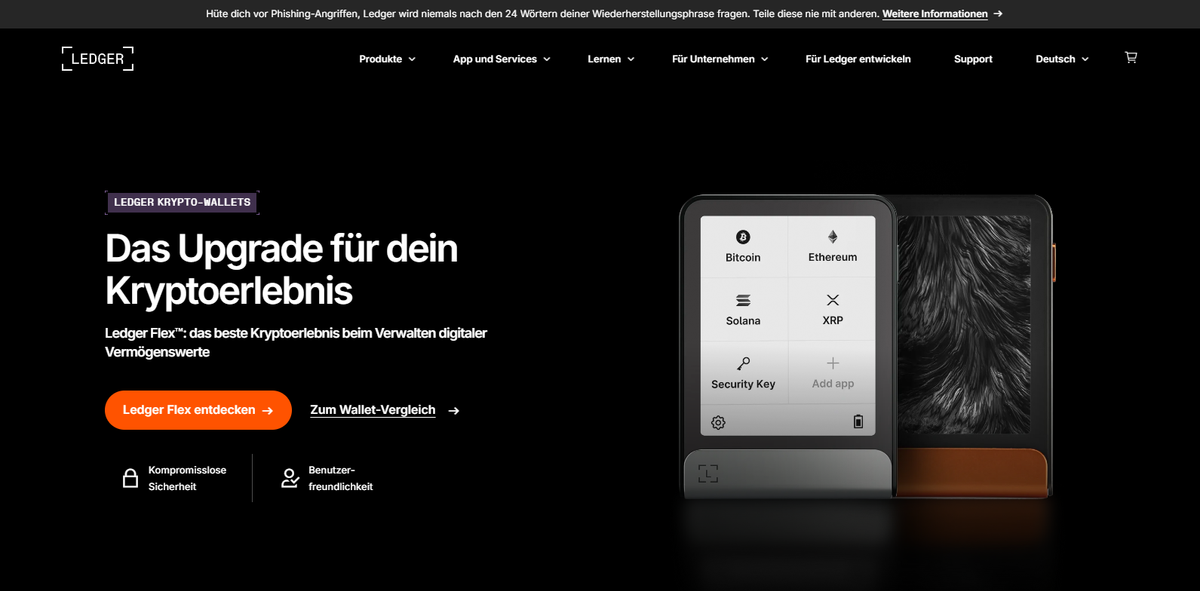
Deciding between Ledger Live Desktop and Mobile isn't a battle — it’s about which tool fits your crypto life. Both apps let you manage assets, send/receive crypto, check balances, and connect to dApps; the difference is how and where you prefer to do it. Here’s a concise comparison to help you choose.
Security
Both versions rely on your Ledger hardware wallet for private key security, so neither compromises on the core protection. Desktop advantages: when paired with a hardware device, the desktop app gives a slightly more robust environment against phishing and malicious browser extensions (because it doesn’t run inside a web browser). Mobile advantages: modern Ledger devices support Bluetooth, and Ledger Live Mobile uses that to pair securely — perfectly safe when you follow best practices (keep firmware updated, verify addresses on the device screen, and never enter your recovery phrase).
User Experience & Interface
Desktop: more screen real estate = better visibility. Portfolio views, transaction histories, and account management feel spacious and easier to audit. It's ideal for power users who hold many assets or use advanced features like staking or managing multiple accounts at once.
Mobile: optimized for speed and convenience. The UI is simplified and snappier for quick checks, sending payments on the go, or scanning QR codes. If you check portfolios between meetings or make occasional transfers, mobile wins on convenience.
Features & Functionality
Most core features are available on both platforms: send/receive, portfolio overview, staking (for supported coins), and firmware updates. Desktop typically leads with earlier access to sophisticated integrations — more granular account management, deeper transaction details, and some dApp connectors. Mobile keeps catching up fast and covers the essentials well; for many users it’s feature-complete.
Connectivity & Workflows
Desktop connects via USB (reliable and direct), which many prefer for larger transactions. Mobile uses Bluetooth (convenient, wireless) — perfectly fine but users who prioritize physical connection might favor desktop. Desktop is also better when you use complementary tools like block explorers, third-party portfolio trackers, or want to export CSVs for taxes.
Performance & Reliability
Desktop can handle heavy activity with fewer interruptions. Mobile performance depends on your phone’s resources and Bluetooth stability. For large batches of transactions or firmware-heavy operations, desktop feels steadier; for single transfers and quick portfolio checks, mobile is more than sufficient.
Who Should Use Which?
- Choose Desktop if you: manage many accounts, perform complex operations, prefer USB connections, or do tax/reporting work.
- Choose Mobile if you: want fast access, value convenience, travel often, or prefer a lightweight, on-the-go workflow.
- Use Both: Many users opt for a hybrid approach — desktop for deep management and mobile for everyday checks and quick sends.
Conclusion
There’s no single “better” option — only what’s better for your routine. Ledger Live Desktop is slightly stronger for power users and heavy management tasks; Ledger Live Mobile excels at accessibility and convenience. If you’re serious about crypto safety, use both: keep the Ledger hardware as your root of trust, use desktop when you need control and detail, and rely on mobile for speed and convenience.